AGP Executive Report
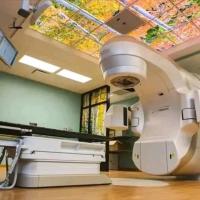
Last update: 10 hours agoCancer Care: Fourteen-year-old Shalom Onoja is being treated at Parirenyatwa Hospital for aggressive bone cancer that has spread to her lungs. Her family says it has not given up hope. Emergency Access: Campbell residents say poor mobile coverage has delayed ambulance calls, including for a woman in labour whose sister had to walk a kilometre to find a signal. Mobile Health: NetOne and health partners are starting with 10 mobile medical kiosks, with plans to expand to 100 nationwide to bring screenings and consultations to underserved communities. Kidney Treatment: The Zimbabwe Red Cross Society clinic has received a donated dialysis machine, expected to increase access to life-saving kidney care.
Note: AI summary from news headlines; neutral sources weighted more to help reduce bias in the result. Feedback is welcome. Please let us know if you have any comments or suggestions about the AGP Executive Report.
 Perspectify News